
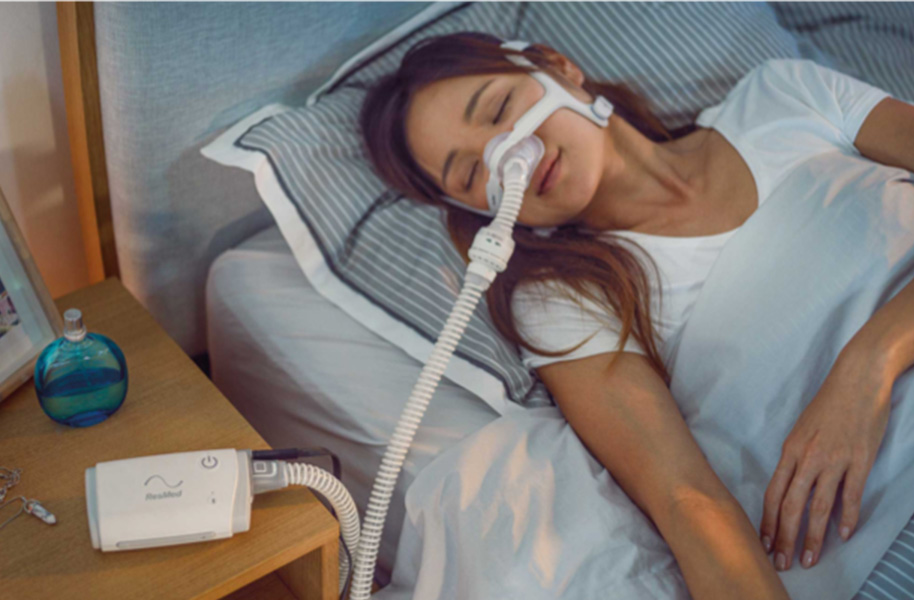
CPAP mask leaks are one of the most common reasons people struggle with their therapy. A leaky mask lets air escape around the seal, which lowers the pressure your machine delivers and leaves you waking up tired. The good news is that most CPAP mask leaks are fixable at home, and you do not need to buy new equipment to solve them. This guide walks you through the most common causes, how to fix them, and when it makes sense to upgrade your CPAP cushion or mask style.
Why Your CPAP Mask Leaks and Why It Matters
A CPAP air leak happens when pressurized air escapes between the mask cushion and your skin. Your machine works hard to deliver a steady, prescribed pressure all night. When air leaks out, that pressure drops, and your airway may not stay open the way it should.
Over time, even small leaks add up. You might not notice them while you sleep, but you will notice the effects: dry mouth in the morning, headaches, or feeling just as tired as before you started therapy. Therefore, keeping a good CPAP mask seal is not just about comfort. It directly affects how well your treatment works.
Modern CPAP machines log your leak data every night. If you use a ResMed device, check the myAir app to see your leak rate. A small amount of intentional venting is normal. However, if your leak rate sits consistently above 24 litres per minute, that is worth addressing. You can read more about how CPAP and BiPAP therapy works and what leak thresholds mean for your treatment.
The Most Common Causes of CPAP Mask Leaks
Before you can fix a CPAP mask leak, you need to know what is causing it. Most leaks fall into one of four categories.
1. A Worn-Out CPAP Cushion
The CPAP cushion is the soft silicone or foam part that rests against your face. It wears out faster than any other part of your mask. Over time, the silicone loses its flexibility and no longer forms a tight seal against your skin. Most manufacturers recommend replacing your CPAP cushion every one to three months. If yours is older than that, replacing it is the first thing to try.
2. Incorrect CPAP Strap Adjustment
Straps that are too loose let the mask shift and gap during the night. However, straps that are too tight are equally problematic, as they squash the cushion out of shape and also create leaks. The goal with CPAP strap adjustment is a firm but comfortable fit. You should be able to slide two fingers under the headgear straps. If you cannot, they are too tight. Start with loose straps and tighten gradually until the leak stops.
3. Wrong Mask Style for Your Face Shape
A full-face mask might work perfectly for one person and leak constantly for another, simply because faces are different. For example, people with a narrow face often do better with a nasal pillow mask. People who breathe through their mouth typically need a full-face mask. If you have tried every adjustment and still experience CPAP mask leaks, your mask style may simply not match your facial anatomy.
4. Sleeping Position
Side sleepers often push their mask into the pillow, which forces the cushion off the face and creates a leak. Additionally, stomach sleepers almost always struggle with fit. If your position is causing your CPAP air leak, a CPAP-specific pillow with cutouts for the mask can make a significant difference. Some people also switch to a smaller mask profile, such as a nasal pillow, to reduce contact with the pillow altogether.
CPAP Mask Leak Fixes at a Glance
Use this table to match your leak type to the most likely fix.
| Symptom | Most Likely Cause | Recommended Fix |
|---|---|---|
| Leak worsens over weeks | Worn CPAP cushion | Replace cushion every 1 to 3 months |
| Mask shifts during the night | Loose CPAP strap adjustment | Tighten headgear gradually |
| Red marks or skin irritation | Straps too tight | Loosen straps, try mask liners |
| Leak only on one side | Asymmetrical tightening | Re-adjust each strap side independently |
| Leak when turning over in bed | Sleeping position | CPAP pillow or nasal pillow mask |
| Persistent leak despite adjustments | Wrong mask style for face shape | Mask fitting with a CPAP specialist |
How to Check and Improve Your CPAP Fit Step by Step
Getting a good CPAP fit does not have to be complicated. Follow these steps to methodically work through the most common issues.
Step 1: Put the mask on while lying down. Most people fit their masks while standing in front of a mirror. However, your face relaxes when you lie down, which changes the shape of your skin. Always do your final fit check in the position you actually sleep in.
Step 2: Start with loose straps. Put the headgear on loosely. Turn your machine on and bring the mask to your face. Let the pressure help seat the cushion, then gradually tighten the straps until the leak stops. Do not over-tighten.
Step 3: Check the cushion position. Depending on the style of your mask, a cushion placed too high or low is a very common cause of CPAP mask leaks. Adjust it slightly and recheck. Digital mask fitting videos can be found on the manufacturer’s sleep coach app.
Step 4: Clean your mask and your face. Oils from your skin break down silicone over time and reduce the seal. Wash your face before bed and clean your mask cushion daily with mild soap. This simple habit extends cushion life and improves the seal. The InspiAIR team has put together a helpful guide on cleaning your CPAP equipment that covers daily and weekly routines.
Step 5: Replace worn parts on schedule. Even with good care, silicone cushions wear out. Replace your CPAP cushion every one to three months, and replace the full mask every six months. Keeping to this schedule is one of the easiest ways to prevent leaks before they start. You can find more CPAP maintenance tips in our guide on cleaning and maintaining your equipment.
When to Consider a Different CPAP Mask
Sometimes the issue is not a worn cushion or a strap setting. It is the mask itself. As a result, knowing when to try a different mask style can save you weeks of frustration.
There are three main mask styles: full-face masks, nasal masks, and nasal pillow masks. Full-face masks cover the nose and mouth and work well for mouth breathers or people who need higher pressure settings. Nasal masks cover only the nose and suit people who breathe nasally. Nasal pillow masks sit at the entrance of the nostrils, are the smallest option, and work very well for side sleepers or people with facial hair.
In contrast, if you currently use a full-face mask and leak constantly around the nose bridge, a nasal mask or nasal pillow may fit you better. Additionally, if you have lost or gained weight, your face shape may have changed enough that your old mask no longer fits the same way. A professional mask fitting can identify the right style and size quickly. Browse the CPAP machines and equipment available at InspiAIR or contact us if you are not sure where to start.
Frequently Asked Questions About CPAP Mask Leaks
How much CPAP mask leaking is normal?
Some intentional venting is built into every CPAP mask, so a small amount of airflow at the vent ports is completely normal. However, unintentional leaks, such as air blowing onto your face or your partner, are not normal. Most machines flag a leak as significant when it exceeds 24 litres per minute. Check your device’s app or data summary to see your nightly leak rate.
How tight should CPAP straps be?
Your CPAP strap adjustment should be snug but not painful. A good rule of thumb is the two-finger test: you should be able to slide two fingers under any strap. Straps that leave red marks in the morning are too tight and will actually worsen leaks by deforming the cushion seal. Loosen them slightly and see if the leak rate improves.
How often should I replace my CPAP cushion?
Most manufacturers recommend replacing your CPAP cushion every one to three months, depending on use. Signs that your cushion needs replacing include visible cracks in the silicone, a shiny or flattened contact surface, or a sudden increase in your leak rate with no other obvious cause. Replacing the cushion is usually far cheaper than replacing the full mask.
Why does my CPAP mask leak when I turn over in bed?
Turning over pulls the mask tubing, which can drag the mask off your face or shift the cushion out of position. A CPAP-specific pillow with mask cutouts reduces this significantly. You can also try a swivel elbow connector on your tubing to give it more freedom of movement. Additionally, a smaller mask profile such as nasal pillows reduces the surface area that can shift during the night.
Can facial hair cause CPAP mask leaks?
Yes. Stubble and beards break the seal between the silicone cushion and your skin. A full beard creates gaps, especially around the chin and upper lip. Nasal pillow masks are generally the best option for people with facial hair because they rest at the nostrils rather than across bearded skin. Some people also find that mask liners help bridge small gaps caused by stubble.
Fix Your CPAP Mask Leaks and Sleep Better Tonight
CPAP mask leaks are frustrating, but they are almost always solvable. Start with the basics: check your cushion condition, adjust your CPAP strap adjustment, and make sure you are fitting the mask while lying down. If leaks persist, consider whether your mask style suits your face shape and sleeping position. Finally, keep to a regular replacement schedule for your cushion and mask parts. Small habits like these protect your therapy and your sleep. If you would like expert help finding the right mask or troubleshooting persistent CPAP mask leaks, contact the InspiAIR team and we will help you sleep well.

