
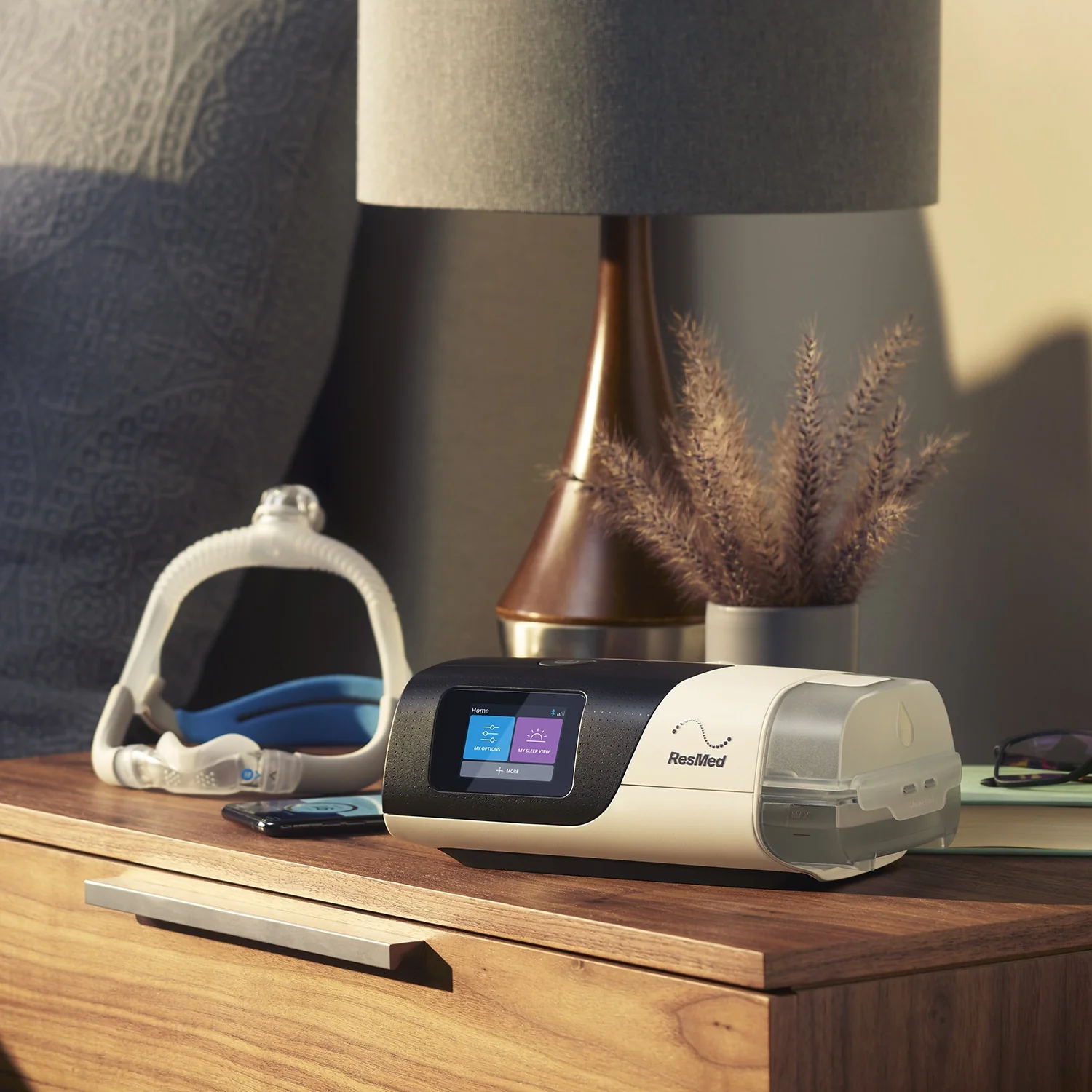
CPAP dry mouth is one of the most common complaints among people on therapy. Your tongue may feel sticky, your throat may be sore, and you might crave a glass of water before you even get out of bed.
The good news is that dry mouth usually has a cause you can identify. This guide walks through the most common reasons and the questions to ask your provider. It does not replace medical advice, and it never asks you to change your prescribed pressure.
Why Dry Mouth Happens on CPAP
Air from your machine can dry your nose and throat. If air also escapes through your mouth, it carries moisture away. The result is a dry mouth, sometimes with a sore throat.
The US National Heart, Lung, and Blood Institute explains that dry mouth can come from CPAP itself or from breathing through your mouth at night. It also notes that a mask may leak air into an open mouth. In those cases, your provider may suggest a chin strap or a different type of mask.
Several factors can combine:
- Mouth leak: Common with nasal masks or nasal pillows when your mouth falls open.
- Low humidity: Dry air from the device or a dry bedroom.
- Mask leaks: A poor seal that lets air escape.
- Nasal congestion: A blocked nose pushes you to breathe through your mouth.
- Dry indoor air: Winter heating can make this worse.
Start With a Simple Checklist
Before you change anything, collect a few facts. A short checklist helps you and your provider find the cause faster.
- When does the dryness appear? On waking, or during the night?
- Which mask do you use? Nasal, nasal pillow, or full face?
- Do you hear or feel leaks? Check your device data for leak trends.
- Is your nose blocked? Congestion often leads to mouth breathing.
- How is your bedroom? Note the temperature and dryness of the air.
Write down your answers. They give your clinician useful clues.
Humidity and Heated Tubing
Many devices include a humidifier. Check your user guide to see how to adjust it. Raising the humidity setting can sometimes ease dryness, although it can also cause water droplets in the tube. That is why it helps to review your setup with your provider.
Some devices pair a heated tube with a humidifier. Heated humidification can ease dryness, while compatible heated tubing can help limit condensation as air travels toward the mask. Ask whether this option exists for your device.
Fill the humidifier according to your user guide. Many guides recommend distilled water. Keep the tub clean, and empty it as your guide directs.
Mouth Leak and Mask Choices
If air is escaping through your mouth, the humidifier alone may not solve the problem. Your provider can check whether your mask suits the way you breathe at night.
Options your provider may discuss include:
- A chin strap: This can help some people keep their mouth closed during sleep.
- A full face mask: It covers the nose and mouth, so mouth leak is less of an issue.
- A different cushion size or style: A better seal often reduces overall leak.
Please do not tape your mouth shut. Ask your clinician about approved options instead. ResMed also notes that mouth leak with a nasal or nasal pillow mask can cause dry mouth and affect your therapy.
Everyday Comfort Tips
Alongside any equipment changes, a few habits may make mornings more comfortable.
- Keep a glass of water by the bed.
- Ask your dentist whether a mouth moisturizer or rinse suits you.
- Avoid very dry bedroom air, and ask your provider about safe ways to add moisture.
- Limit alcohol close to bedtime, since it can add to dryness.
- Brush and clean your teeth well, because ongoing dry mouth can affect oral health.
If you notice sore gums or more cavities, tell your dentist you use CPAP.
Winter and Dry Bedroom Air
Dry mouth often gets worse when the heating comes on. Indoor air can become very dry, and your device then adds even more airflow on top of it. If you notice the problem mostly in colder months, mention that to your provider.
Ask whether your humidifier settings need a seasonal check. Also ask about heated tubing, which some devices offer. Keep in mind that more humidity can bring water droplets in the tube, so small changes work best. Your user guide explains how to adjust comfort settings safely.
Track Your Progress
Notes help you see what works. For two weeks, record when dryness appears, your mask type, and any changes you made. Add a quick score from one to five for how dry your mouth felt on waking. Share the notes at your next visit so your provider can see the pattern.
Frequently Asked Questions
Is dry mouth a sign my pressure is wrong?
Not usually. It is more often linked to mouth leak, humidity, or mask fit. Do not change your pressure yourself. Contact your provider if you are concerned.
Will a chin strap fix my dry mouth?
It helps some people, but not everyone. Your provider can tell you whether it suits your mask and your breathing pattern.
Can I use mouth tape instead?
No. Please do not tape your mouth shut. Speak with your provider about mask changes or a chin strap.
How long should I wait before I call my provider?
If dryness continues for more than a few nights, reach out. Earlier is better if you also have a sore throat, mouth sores, or trouble sleeping.
Get Help Before You Give Up
Dry mouth is common, and it is also fixable for many people. Share your notes and your data with your care team. Together you can adjust your setup so mornings feel better.

