
In practice, CPAP therapy only works as well as the equipment delivering it. That is why regular CPAP cleaning matters so much. For example, a mask coated in skin oils does not seal properly. Similarly, a water chamber with mold growth sends that contamination directly into your airway.
A filter clogged with dust also makes the motor work harder. As a result, the machine wears out sooner. Fortunately, none of this requires a complicated maintenance routine, and most of it takes less than five minutes a day.
Therefore, the key is knowing what needs cleaning, how often, and which products are actually safe to use. This matters because a few common choices do more harm than good.
Why Regular CPAP Cleaning Matters
For this reason, your CPAP mask spends six to eight hours each night in contact with your face. During that time, skin oils, sweat, and facial moisturizer build up on the cushion. Over time, that residue degrades the silicone and weakens the seal. If you leave it long enough, it also creates a breeding environment for bacteria.
Meanwhile, the tubing and water chamber present a different problem. Warm, moist air inside the circuit is exactly the environment that mold and mineral deposits prefer. Regular cleaning prevents both. Beyond that, it keeps your equipment working as the manufacturer intended.
In addition, cleaning also extends the life of parts that are not cheap to replace. If you are newer to therapy, the CPAP and BiPAP therapy overview explains what a well-supported therapy setup looks like from the start.
Daily CPAP Cleaning Routine
Overall, daily CPAP cleaning is the highest-leverage habit you can build. It takes roughly two to three minutes. In return, it prevents most of the buildup issues that cause problems over time.
First, wipe down the mask cushion and frame every morning. Use a CPAP mask wipe or a clean cloth dampened with mild soap and warm water. Avoid anything alcohol-based, because it dries out and cracks silicone cushions faster than normal wear. Then let the parts air dry before you store them.
Second, empty and rinse the water chamber. Do not leave standing water in it between uses. Even clean water left sitting encourages mineral deposits and, in humid conditions, mold. Afterward, set the chamber face-down on a clean towel to dry.
Finally, take a minute to wipe down the outside of the machine. Dust builds up on the vents, and over time that affects airflow.
Weekly CPAP Cleaning Routine
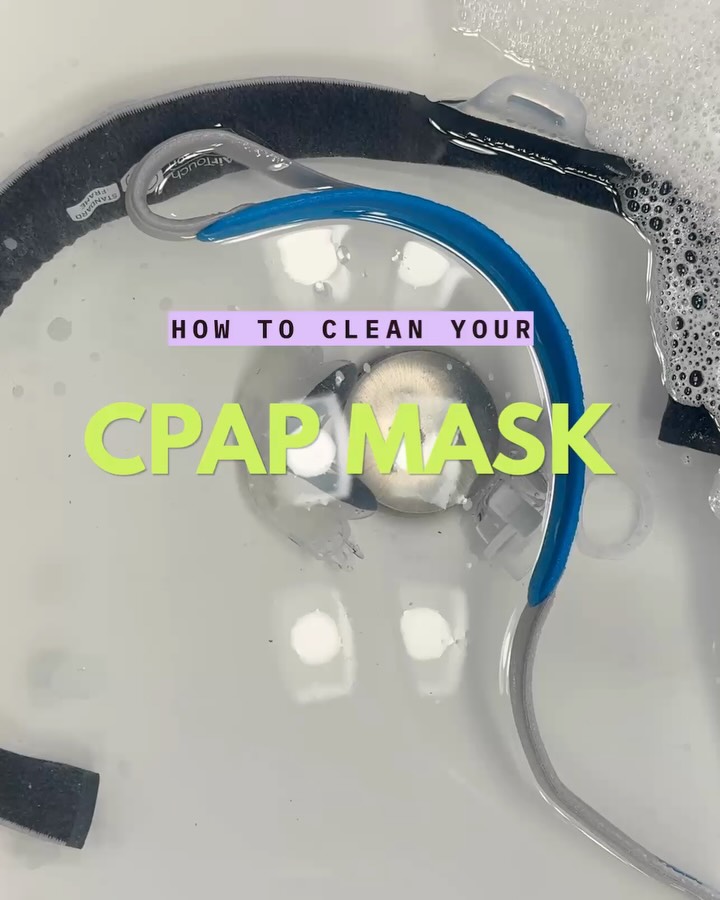
Once a week, do a more thorough wash. Start by taking the mask completely apart, including the cushion, frame, and headgear. Next, wash each piece separately in warm water with a small amount of mild, fragrance-free CPAP soap. Rinse everything well and let it air dry away from direct sunlight, which degrades silicone.
Your tubing also needs a weekly wash. To clean it, fill it with warm soapy water, agitate gently, and rinse. After that, hang it until it is completely dry before you reconnect it. Coiling and storing a damp tube is exactly what encourages mold growth inside the circuit.
The water chamber gets the same treatment: warm water, mild soap, and a thorough rinse. Some chambers are dishwasher-safe on the top rack. However, check your device manual to confirm before putting yours through one.
For manufacturer-specific guidance on the most common devices, visit our equipment care page.
Which CPAP Cleaning Products Are Safe to Use?
For example, this is where many people make mistakes. The wrong product can do real damage to CPAP components. In addition, some products can be harmful to breathe.
| Product Type | Safe for CPAP? | Notes |
|---|---|---|
| CPAP soap and warm water | Yes | Best everyday option |
| CPAP mask wipes | Yes | Convenient for daily face-contact surfaces |
| CPAP-specific cleaner sprays | Yes | Check for fragrance-free formulas |
| White vinegar (diluted) | Yes, weekly only | Good for mineral deposits; rinse well |
| Baby wipes or facial wipes | Use caution | Many contain alcohol or fragrance; check ingredients |
| Bleach or hydrogen peroxide | No | Damages silicone; residue harmful to inhale |
| Alcohol-based cleaners | No | Degrades cushions and degasses into the air circuit |
| Ozone or UV sanitizing devices | Check manufacturer guidance | Some void warranties; ozone residue concerns |
Do CPAP Sanitizers Replace CPAP Cleaning?
You will see UV and ozone-based CPAP sanitizers marketed almost everywhere. Their appeal is obvious, since they promise hands-free disinfection. However, ozone machines in particular have drawn scrutiny from respiratory health organizations. The concern is residual ozone, which can irritate airways.
Some manufacturers also state explicitly that ozone sanitizers void the equipment warranty.
If you want to use a sanitizer, UV-based devices are generally the safer choice. That said, they do not replace physical cleaning. They disinfect surfaces, but they do not remove oils, mineral deposits, or physical residue. So you still need to wash your components regularly.
CPAP Replacement Schedule: What Wears Out and When
Regular CPAP cleaning extends the life of your equipment, but every component eventually wears out. Knowing the replacement timeline helps you avoid troubleshooting a problem that is really just normal wear.
| Component | Replacement Frequency | Signs It Is Time |
|---|---|---|
| Mask cushion | Every 1 to 3 months | Leaks, skin irritation, loss of softness |
| Mask frame | Every 6 months | Cracks, discolouration, odour |
| Headgear | Every 6 months | Stretched elastic, poor seal despite tightening |
| Tubing | Every 3 to 6 months | Cracks, discolouration, persistent odour |
| Water chamber | Every 6 months | Mineral buildup, scratches, cracks |
| Disposable filter | Every month | Visible discolouration or dust accumulation |
| Non-disposable filter | Every 3 to 6 months | Rinsing no longer restores airflow |
| Machine | Every 5 years | Unusual noise, inconsistent pressure |
The cushion is the most commonly overlooked item. It is also the most important, because a worn cushion causes air leaks. Those leaks reduce therapy effectiveness and disrupt sleep.
For instance, you might find yourself tightening your headgear to stop leaks. That is usually a sign that the cushion needs replacing, not that your fit has changed.
InspiAIR stocks replacement parts for most major mask models from ResMed, Fisher & Paykel, and Respironics. You can browse CPAP machines and supplies online. Alternatively, visit your nearest clinic to check availability or arrange a mask fitting if you are switching to a new style.
How to Store Your CPAP Equipment
Moreover, where and how you store your equipment affects how long it lasts. Luckily, a few simple habits make a real difference.
Keep the machine on a flat, stable surface with plenty of space around the vents. The motor pulls air in through the filter. As a result, placing it against a wall or under a pillow restricts airflow.
Store the humidifier chamber empty when you are not using it. Also, avoid leaving the machine in a hot car or direct sunlight. Heat and sun can warp plastic components over time.
For travel, a dedicated CPAP bag keeps everything clean and organized. If you travel often, the ResMed AirMini is also worth knowing about. This travel-specific machine is small enough for a carry-on, and InspiAIR carries compatible accessories for it.
When to Call Your Respiratory Therapist
However, some issues are worth flagging rather than troubleshooting on your own. In particular, reach out to your clinician if you notice any of the following:
- Your machine makes new or unusual sounds.
- You wake up with a dry mouth despite a working humidifier.
- Your therapy data shows a sudden spike in leak rate or AHI (apnea-hypopnea index).
- You have persistent skin irritation despite regular cleaning.
If any of these apply, contact your nearest InspiAIR location for follow-up support. In addition, remote monitoring is available for patients on compatible devices. With it, your therapist can review your data and reach out if something looks off.
Finding CPAP Supplies in Ontario
Finally, InspiAIR is a full-service CPAP supplier with locations across Ontario. You can shop online or visit a clinic for in-person support. Clinic locations include Toronto, Ottawa, Mississauga, Whitby, Cornwall, Cambridge, and more.
Patients in Northern Ontario can access care through our sister brand, Northern Respiratory, including its Sudbury and Thunder Bay locations.
Frequently Asked Questions About CPAP Cleaning
How often should I clean my CPAP mask?
Wipe down the mask cushion and frame daily with a CPAP-safe wipe or mild CPAP soap and water. In addition, do a more thorough wash with full disassembly once a week.
Can I use baby wipes to clean my CPAP?
Some baby wipes are safe. However, many contain alcohol, fragrance, or moisturizing agents that can degrade silicone and leave residue on the mask. Check the ingredients first. Otherwise, CPAP-specific mask wipes are a safer default.
How do I know if my CPAP has mold?
Warning signs include visible discolouration inside the water chamber or tubing and a musty smell. An unusual taste or smell during therapy is another red flag. If you suspect mold, replace the affected parts rather than trying to clean them back to safe use.
Are CPAP sanitizers worth buying?
UV sanitizers can be a useful addition to a regular CPAP cleaning routine, but they do not replace it. That is because they disinfect surfaces without removing physical residue. Meanwhile, ozone-based sanitizers raise some concerns about airway irritation and may void manufacturer warranties. For that reason, talk to your respiratory therapist before buying one.
How do I clean the CPAP tubing?
Fill the tube with warm water and a small amount of mild soap, agitate gently, then rinse thoroughly. Next, hang it vertically or drape it somewhere with good airflow. Let it dry completely before reconnecting. A tube brush can help with stubborn deposits, although most modern smooth-bore tubing does not need one.

